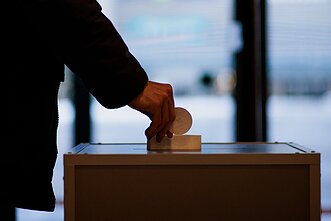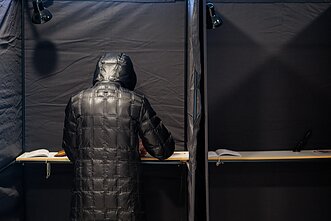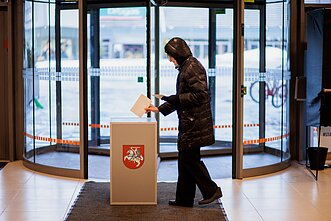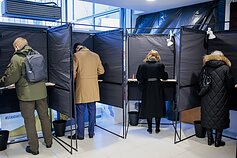








Polling stations closed at 20:00 in Lithuania’s local elections. Slightly under half of all eligible voters cast their ballots to pick municipal councils and mayors of 60 municipalities.
According to the Central Electoral Commission (VRK), the turnout stood at 48.94%.
That is the highest turnout for local elections in the last two decades. In 2019, it was 47.9 percent, while in 2015, when Lithuania introduced direct elections of mayors, 47.18% of eligible voters came to vote. In 2011, the turnout of local elections was 44.08%.
Interim results
With almost half of the polling stations having counted ballots by 22:30, the Social Democrats, the Farmers and Greens Union and the conservatives are leading in the local council elections.
According to the data of the Central Electoral Commission (VRK), the Lithuanian Social Democratic Party (LSDP) won 23.41% of the votes in 935 out of 1,927 polling stations.
The Lithuanian Farmers and Greens Union (LVŽS), according to the interim data, has 14.54% of the vote, while the Homeland Union-Lithuanian Christian Democrats (TS-LKD) has 11.93%.
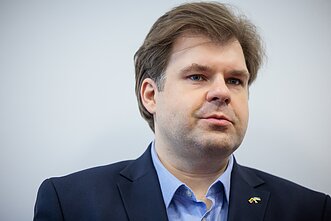
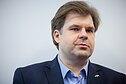
The Democratic Union ‘For Lithuania’, a new party led by former prime minister Saulius Skvernelis, has so far won 8.41% of the vote, while the Liberal Movement has 7.99%.
Moreover, the Social Democrats on Sunday evening called victory in six mayoral races in the first round of voting, including in Alytus, where the incumbent mayor Nerijus Cesiulis is up for re-election.
“We are already celebrating our colleagues in Jonava, Vilkaviskis, Birštonas, Pakruojis and Akmenė,” Jonava Mayor Mindaugas Sinkevičius told reporters at the party’s headquarters in Vilnius.
He said that the Mayor of Alytus, Cesiulis, will also be re-elected.

Elections for municipal councils and direct elections of mayors started in Lithuania on Sunday.
Polling stations opened at 07:00 and remain open until 20:00.
On Sunday, voters can only vote at the polling stations of the municipality where they have declared their residence.
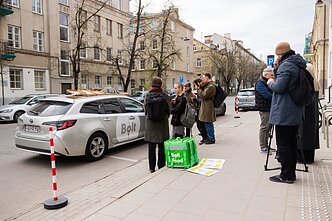
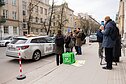
On a cold and windy Sunday morning in the centre of Vilnius, the doors of the Vytenis polling station were unlocked before 07:00. All members of the commission and one observer were already waiting for voters.
One man who arrived within the first ten minutes to vote told BNS that he had not read any electoral material and that he would vote “according to his personal experience”.
“I met him [candidate] once. Since then, I liked him. Now he is running and I will vote for him,” the man said, but refused to identify himself, claiming that the name was very rare and could be recognised by his wife, with whom he has different opinions on voting.
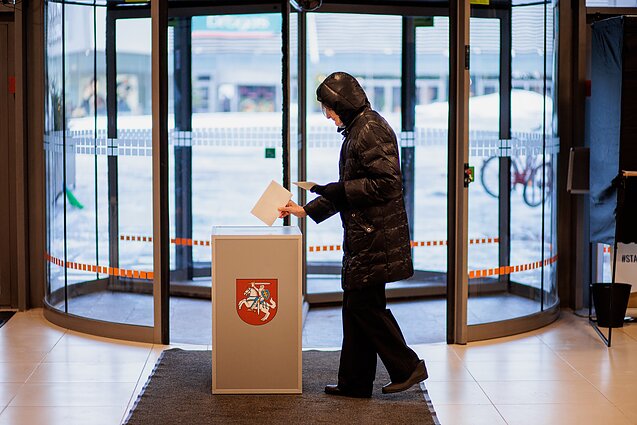
Commission chairwoman Julija Čėglytė expected voters would flock in the afternoon, on their way to the ST Casimir Fair or back home from it.
“In the mornings there are usually few people. We vote in the morning, we try out the system,” Čėglytė added.
Choosing to ‘live well’
Algimantas Sadlauskas came to vote in Kaunas' Miško polling station with a note – he wrote down his favourites on a piece of paper at home – so that he could rank candidates in an electoral list.
“It’s hard to walk, I’m 77 years old, and my legs hurt, but I came with joy. [...] This is a duty,” the man told BNS.
“My father, when he was sick and unable to vote, used to vote too,” he added.
Indrė, a 40-year-old civil servant who cast her vote in the Pingvinuko polling station in Klaipėda, told BNS that it was not difficult for her to make up her mind.
“Expectations are not focused on the election results, but on the work of the elected politicians to move Klaipėda forward,” she said.
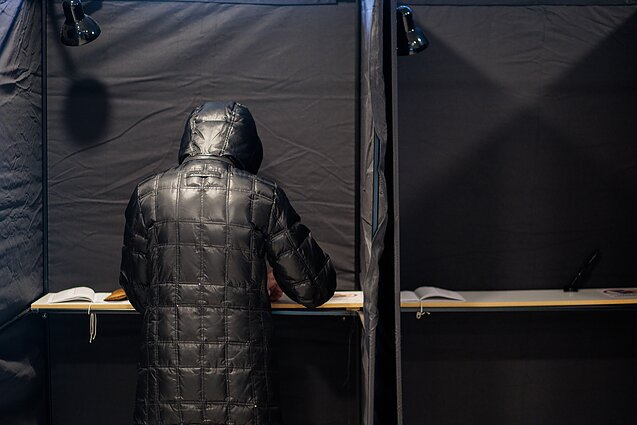
Irmantas, a 57-year-old musician, said he formed his opinion about the candidates from the people in his environment.
“I’m not a meticulous observer to study [candidates]. I’m not that particular,” the man told BNS.
In Šiauliai Varpo station, Bishop Eugenijus Bartulis was the first to vote.
“I’ve got work after this. I go straight to church, to the service,” the 73-year-old priest told BNS.
The cleric said he had considered how to vote for a long time, so it was not difficult to make up his mind. He said he had chosen “so that it would be good to live in Šiauliai”.
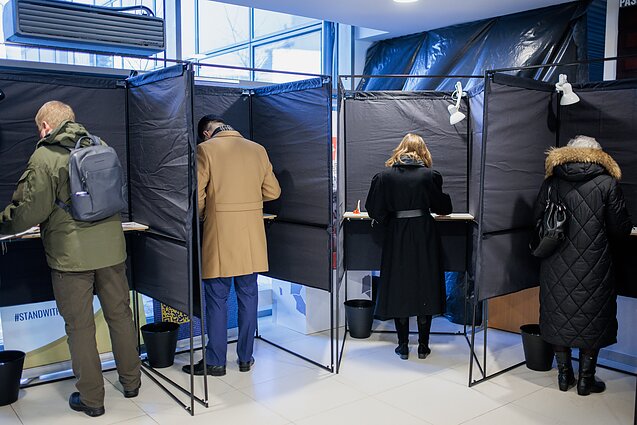
Elections in 60 municipalities
The Central Electoral Commission (CEC) reminds voters to take their ID when they go to vote, and asks them not to take photos of the ballot papers or post them on social networks.
The Electoral Code prohibits photography or filming in polling booths in order to curb vote-buyers who, in exchange for cash or other reward, asked to see a photograph of the ballot paper marked by the voter who had sold their vote.
On election day, there will be a reinforced police force and prosecutors on duty, and observers delegated by political and non-governmental organisations will monitor the voting. They will also monitor the counting of votes.
In total, almost 2.39 million voters are on the electoral rolls for municipal councils and mayors.
Some of them have expressed their will by voting in advance, as well as at special polling stations in hospitals, nursing homes, military units, and places of detention. Older voters and people with disabilities were able to vote at home.
In the elections, residents of Lithuania are electing councils of 60 municipalities – 1,498 members in total – and 60 mayors for a four-year term of office. In all, 13,797 candidates are running for council seats, 433 of them are seeking mayorships.

Newsletter
Every Friday morning.